
Home›Email design›Email UX
The importance of user experience in email design
On this page
Have you ever received an e-mail that left you perplexed? Overly large images, indecipherable text, or links that lead nowhere? If so, you’ve probably had a bad user experience.
In the digital world, user experience (UX) is fundamental. It is the pivot on which all communication elements revolve, and emails are no exception. Let’s take a look at why UX is crucial in email design, and how you can up your emailing game.
What is user experience (UX)?
First used in 1988 by Donald Norman, UX is a concept that encompasses all aspects of a user’s interaction with a product, service or company. UX is not limited to the aesthetics of a design, but focuses on how users interact and experience it. In email marketing, UX plays a key role in ensuring fluid and effective communication.
Why is UX important in email design?
UX in email design is fundamental for three main reasons:
Increased conversion rates: A well-designed email with an excellent UX can increase engagement and boost conversions. Indeed, a good design makes it easier to read, understand and interact with the email.
Improved customer retention: A positive user experience boosts customer loyalty by creating a pleasant and memorable interaction with your brand.
Boost your brand image: A carefully thought-out UX in your emails shows that you value your customers and the quality of your communication. This reinforces the positive perception of your brand.
How to optimize UX in email design?
- Choice of content and creative writing: Avoid unnecessary blah, blah, blah. Be concise, clear and creative. Remember, sometimes less is more.
- Strategic link placement: Use links wisely to drive traffic to your website, but avoid cluttering your email with too many links that could distract attention.
- Content order and priority: Prioritize your content. Make sure the most important information comes first. Use a clear system of headings and subheadings to guide reading.
- Clear calls to action: A good email has a clear purpose. Whether it’s to share information, promote a product or invite to an event, make sure your call to action is clear and visible.
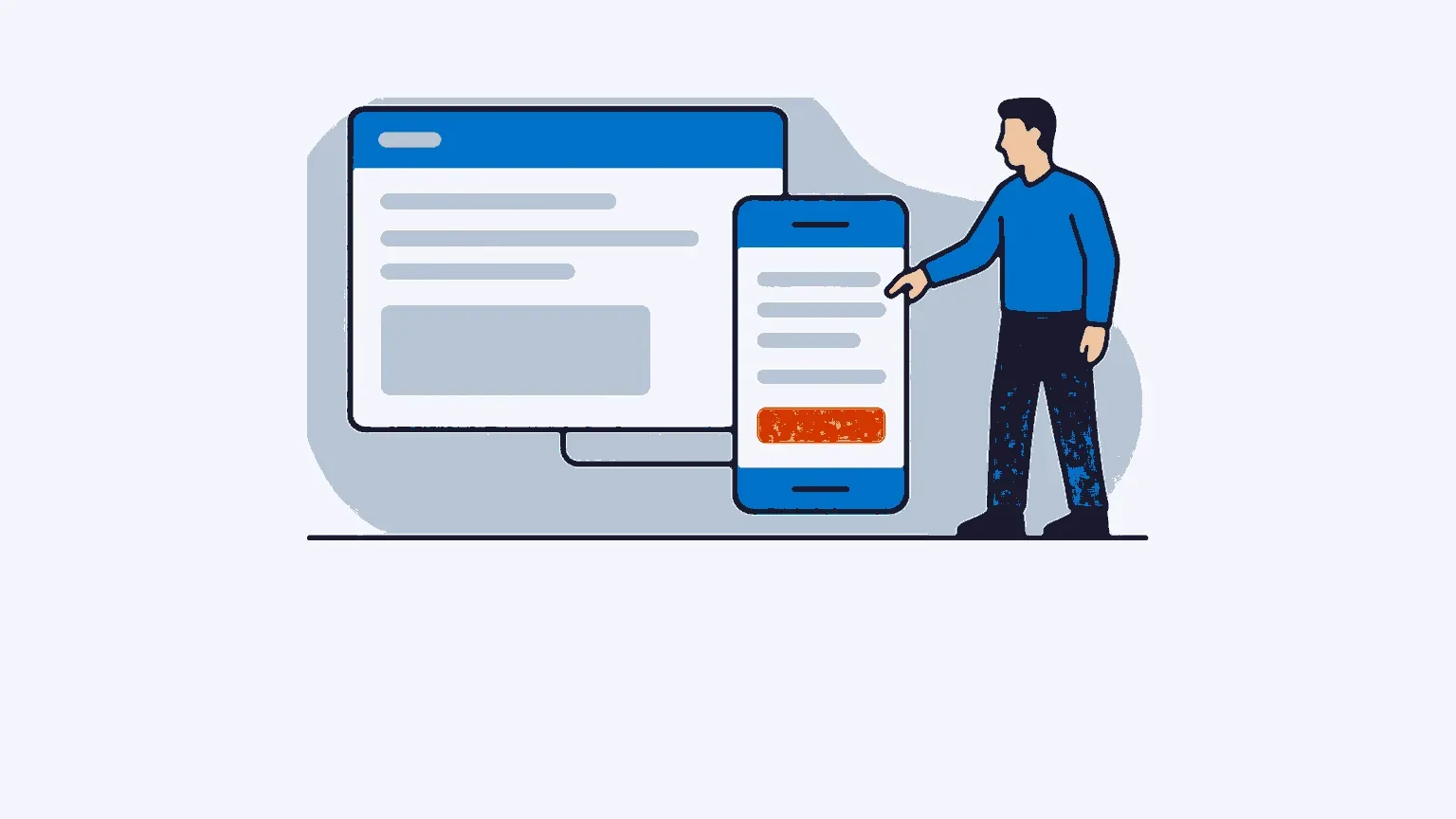
- Mobile friendly: More and more people are checking their emails on their mobiles. Make sure your design is responsive and offers a good experience on all screens.
- Pleasing visual design: Use images, graphics and colors harmoniously to make your email visually appealing. But be careful not to overload the email; simplicity is often the best choice.
- Accessibility: Make sure your email is accessible to everyone. Use legible, appropriately sized fonts, and make sure your design is compatible with screen readers for visually impaired users.
- Testing and feedback: Have your colleagues test your emails before sending them out. User feedback is the most reliable way of knowing whether your UX is optimized.
In conclusion, a well thought-out UX is essential to the success of your email marketing campaigns. So don’t wait any longer, give your emails the care they deserve!
By implementing these tips, you’re well on your way to delivering a quality user experience to your recipients, and thus improving your email marketing performance. Good luck!
Related articles
When should you send your B2B emails?
In B2B, Tuesday to Thursday mornings between 9 and 11 am capture the most opens, but email type and real contact behaviour matter more than the clock.
8 min read Email marketing tipsThe complete guide to B2B email A/B testing
B2B email A/B testing has its own rules: small lists, long cycles, narrow segments. Here is how to test properly, read results and learn from every send.
17 min read Email marketing tipsWhen to send B2B emails: the slots that really generate opens
EmailScope data from 97,000 French B2B campaigns overturn conventional wisdom: the best open rates come in the late afternoon, not on Tuesday morning.
7 min read Email marketing tipsPreparing your website for an effective landing page
A landing page is built for a single action. How to prepare your website for an effective landing page: offer, form, speed and the path from email to.
10 min read